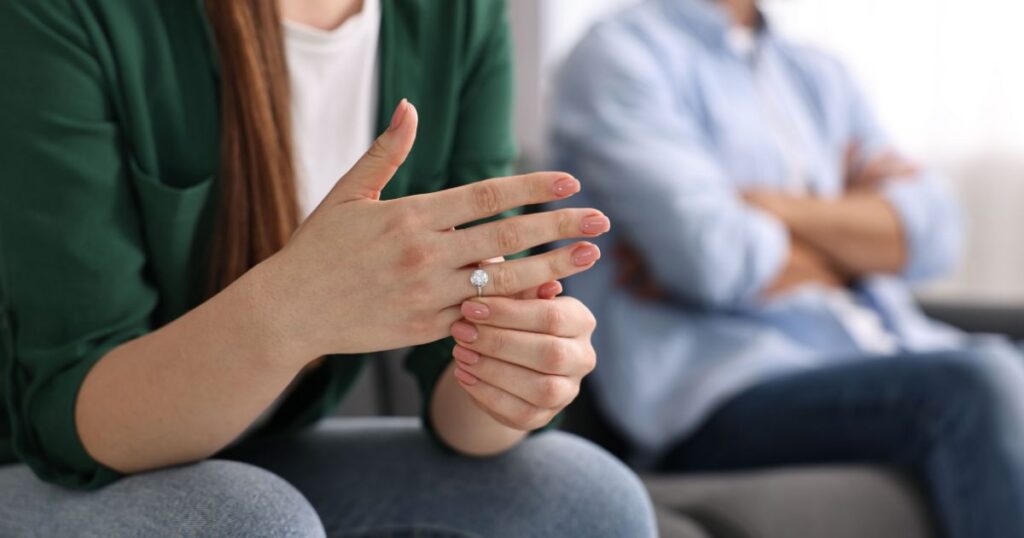

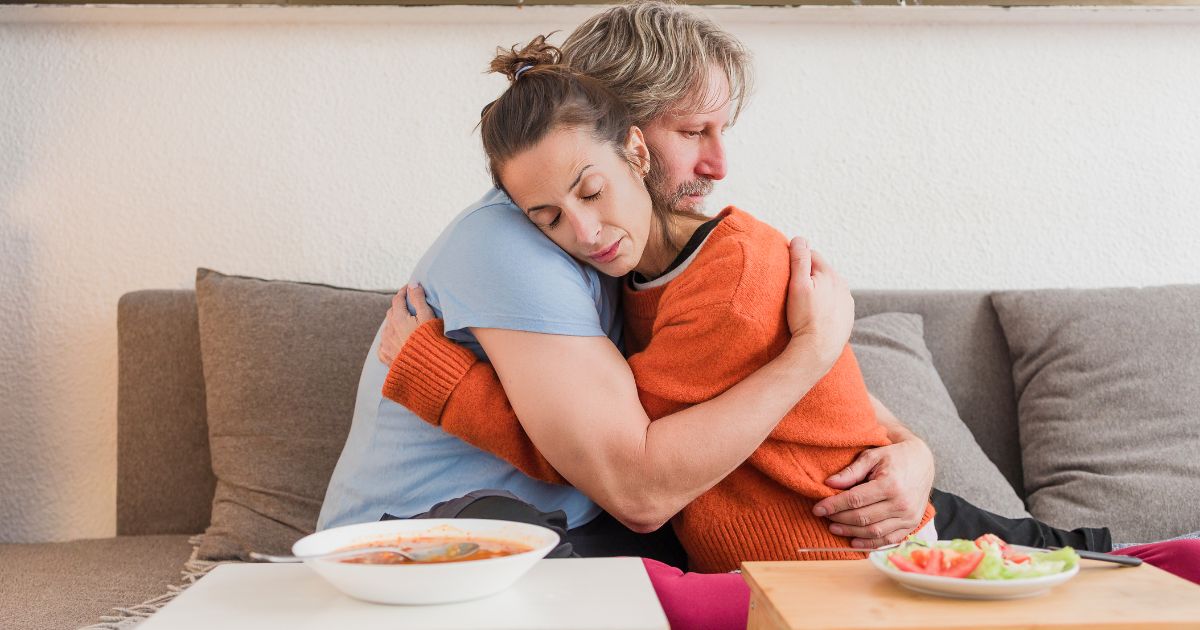
IfHealthy intimate relationships require a delicate balance that many couples struggle to maintain over time. Understandably, most people enter relationships wanting love, connection, security, intimacy, and partnership. Nonetheless, even deeply loving couples can become trapped in cycles of conflict, emotional distance, resentment, defensiveness, or loneliness. These struggles often emerge not because the partners do not love one another, but because they lose the ability to care for themselves and their partner simultaneously.
This tension sits at the heart of many relationship problems. Some individuals become so focused on their partner’s needs that they abandon themselves entirely. Others become so focused on protecting themselves that they lose empathy for, and emotional attunement to, the person they love. In both cases, the relationship suffers.
Someone in the relationship may think to themselves
- “I just need to set myself aside for my partner”
- “My needs matter here and my partner should comply”
- “I don’t matter much; my partner is more important”
- “My partner just needs to take my perspective on this”
The result of these unbalanced perspectives is almost always the same: relationship difficulties.
This is one of the central reasons why marriage counseling and couples therapy can be so transformative. A skilled marriage or couples therapist helps partners learn how to remain emotionally connected while still maintaining a strong sense of self. Pacific Behavioral Healthcare’s talented marriage and couples therapists help partners develop healthier communication, emotional awareness, and relational balance so that intimacy can grow rather than deteriorate.
Contact Pacific Behavioral Healthcare
Why Intimate Relationships Are So Emotionally Challenging
Romantic relationships are unlike most other human connections. Intimate partnerships activate deep emotional systems related to our sense of safety, identity, and belonging. These relationships are pivotal to our desires for sexuality, secure attachment, acceptance, and connection.
Because these emotional systems are so powerful, intimate relationships often bring out both the best and the most challenging parts of ourselves. Our intimate relationships can make us feel excitement and dread; closeness and loneliness; vulnerability and fear.
As stress increases, couples often lose the ability to balance two essential relational tasks:
- caring for themselves,
- and caring for their partner at the same time.
When this balance collapses, destructive cycles often emerge. This is when marriage counseling or couples therapy can be critically important.
The Two Common Relationship Extremes
In struggling relationships, partners often drift toward one of these two extremes.
Losing Yourself in the Relationship
Some individuals become overly focused on preserving harmony, pleasing their partner, or avoiding conflict. In doing so they suppress their needs, feelings, opinions, desires, boundaries, or even their identity.
At first, this self-sacrifice may appear to be loving to themselves and their partner, but over time it often leads to negative outcomes for both. This pattern can lead to significant struggles with resentment and can also cause emotional exhaustion. People who enter this pattern sometimes find themselves feeling resentment for their partner or engage in passive-aggressive behavior. They may even begin to feel depressed or emotionally disconnected.
A person who consistently abandons themselves in order to maintain closeness eventually loses authenticity within the relationship. Intimacy begins to erode because true intimacy requires honesty and emotional presence, not constant self-erasure.
Many people in marriage counseling or couples therapy discover that they have spent years prioritizing peace over honesty. They may avoid difficult conversations because they fear rejection, abandonment, or conflict. Unfortunately, avoiding discomfort often creates deeper disconnection in the long run.
Protecting Yourself While Losing Connection
The opposite pattern can be equally damaging. Some individuals become highly self-protective in their intimate relationship. They may find themselves focused intensely on being right, getting their way, being in control, or attuning themselves to their own experiences, feelings, wants, and needs, without considering those of their partner.
These individuals may struggle with being emotionally open with their partner and when conflict arises, they may shut down or become defensive. They may be critical of their partner, withdraw, or minimize their partner’s feelings.
In these situations, the relationship begins to feel emotionally unsafe for the other partner. Even if genuine love remains present, emotional distance grows because one person no longer feels truly seen, heard, or valued.
A healthy relationship cannot survive on self-protection alone. Intimacy requires the capacity to remain emotionally connected even during discomfort. This is why couples counseling and marriage therapy can be crucially important to restoring balance.
Contact Pacific Behavioral Healthcare
Why Relationships Fail When Partners Cannot Do Both
Research in couples counseling has shown that the healthiest intimate relationships require the ability to remain connected to yourself while simultaneously remaining connected to your partner. This means being able to honor your own needs without dismissing your partner’s. It also means expressing your feelings without attacking your partner, and set boundaries without controlling or withdrawing love. To succeed in relationships, we need to learn to have empathy for our own experience and those of our partners, even when those things pull in opposite directions.
When members of a couple lose this balance, predictable relational cycles emerge. For some, one partner pursues connection anxiously, while the other withdraws defensively. This intensifies fear and frustration for both people. For others, one partner suppresses resentment for years while the other remains unaware of growing emotional distance until the relationship suddenly reaches a breaking point.
These cycles often become repetitive and entrenched. Individuals in the relationship may begin to feel chronically misunderstood, emotionally unsafe, lonely within the relationship, or hopeless about change.
This is where couples therapy or marriage counseling can become invaluable.
The Goal of Marriage Counseling and Couples Therapy Is Not “Winning”
Many couples mistakenly enter couples therapy hoping the therapist will determine who is right and who is wrong. However, effective marriage counseling is rarely about assigning blame to one person. A skilled couples therapist instead helps couples understand the emotional cycle they are trapped inside, as well as the unmet attachment needs underneath the conflict and the fears driving their reactions.
In healthy relationships, both people matter. This may sound obvious, but emotionally distressed couples often lose sight of this fundamental truth. During conflict, people tend to move into survival-oriented thinking. When they do so, they become self-defensive, critical, blaming, withdrawing, scorekeeping, or retaliating. As a result, the relationship gradually shifts from:
“how do we understand each other?” to “how do I protect myself?”
When this pattern is present it is often the realm of marriage therapy or couples counseling to help restore harmony.
Emotional Safety Is the Foundation of Intimacy
One of the most important goals of couples therapy is helping partners create emotional safety.
Emotional safety means both individuals can speak their vulnerabilities honestly and communicate their needs without assigning blame. They should be able to share their fears and admit mistakes to one another without excessive fear of humiliation, abandonment, attack, or dismissal.
Without emotional safety communication becomes guarded and intimacy weakens. When this happens, resentment builds and conflict escalates more easily.
Many couples are surprised to learn that emotional safety is not created through avoiding conflict. In fact, healthy couples still disagree. The difference is that they can remain emotionally connected while working through disagreement. A strong relationship does not require perfection; It requires safety and repair.
Contact Pacific Behavioral Healthcare
Why Self-Awareness Matters in Relationships
One of the greatest barriers to intimacy is lack of self-awareness. People often enter relationships without fully understanding their own emotional triggers, communication habits, or internal wounds. As a result, relationship conflict becomes reactive and confusing to them and their partner. Criticism from a partner may trigger childhood shame, and emotional distance may trigger abandonment fears,
Without insight into these types of patterns, couples often personalize one another’s reactions in destructive ways. A talented couples therapist or marriage counselor helps partners slow down and recognize what they are feeling, why they are reacting the way they are, and how their internal experiences have been shaping the relationship. This process creates greater compassion for both self and partner.
Healthy Relationships Require Differentiation
Psychologists sometimes use the term differentiation to describe the ability to maintain both individuality and emotional connection at the same time. Highly differentiated individuals can stay emotionally present during conflict and tolerate disagreement. They are more adept and honest communication and regulating emotional reactions.
In contrast, low differentiation often leads to emotional fusion, excessive dependency, emotional cutoff, reactivity, defensiveness, or chronic conflict.
Many couples enter therapy because they have difficulty balancing intimacy and autonomy. One partner may fear abandonment, while the other fears engulfment or loss of independence.
Marriage counseling and couples therapy helps partners develop healthier emotional balance so that closeness no longer feels threatening and independence no longer feels rejecting.
How Couples Therapy Helps Repair Relationships
A skilled couples therapist or marriage counselor does much more than mediate arguments. Effective couples therapy helps partners to identify destructive relational cycles, improve communication, increase empathy, rebuild trust, deepen intimacy, and repair connection.
Therapy creates a structured environment where both people can slow down and feel heard while practicing new communication skills. This allows them to understand one another more deeply and be able to hold themselves and their partner, together, in balance.
Many couples discover that beneath years of anger or conflict are unspoken experiences of loneliness, fear, shame, grief, longing, or disappointment. When couples begin responding to these deeper emotional realities instead of reacting defensively to surface conflict, the relationship often changes dramatically.
Contact Pacific Behavioral Healthcare
The Importance of Accountability
Healthy relationships require accountability from both partners. This does not mean constant self-blame. It means developing the ability to recognize how each person’s behavior affects their partner. It also means understanding how defenses contribute to disconnection.
Many struggling couples become trapped in rigid blame patterns. They develop polarized narratives that make healing difficult because each partner becomes focused on proving their own innocence instead of understanding the relationship dynamic itself.
A skilled couples therapist or marriage counselor helps couples move from blame toward responsibility and repair.
Rebuilding Trust After Emotional Injury
Many couples seek therapy after painful relational injuries such as infidelity, dishonesty, emotional neglect, or loss of intimacy. Trust repair requires more than apologies.
It requires consistency, accountability, vulnerability, and empathy. This takes time and patience to develop.
This process can be emotionally intense and difficult to navigate alone. Professional support from a marriage therapist or couples counselor often helps couples move through these conversations more productively and compassionately.
Marriage counseling at Pacific Behavioral Healthcare
Pacific Behavioral Healthcare has a team of experienced clinicians understand that relationships are deeply complex and emotionally significant. Effective marriage counseling and couples therapy is not about choosing sides or assigning blame. It is about helping both individuals better understand themselves, understand each other, and create healthier patterns of connection.
Talented couples therapists and marriage counselors can help partners in numerous ways, including”
- improving communication
- navigating conflict more effectively
- rebuilding trust
- increasing emotional intimacy
- strengthening boundaries
- addressing attachment issues
For many couples, therapy becomes an opportunity not only to repair conflict, but also to develop a deeper and more mature form of intimacy.
Contact Pacific Behavioral Healthcare
Relationships Thrive When Both People Matter
Perhaps the most important truth in intimate relationships is that healthy love requires caring for both yourself and your partner simultaneously.
- If one person consistently disappears emotionally, resentment grows.
- When one person consistently prioritizes self-protection over connection, intimacy deteriorates.
- If both people become locked in defensiveness, the relationship loses emotional safety.
Strong relationships require honesty, empathy, emotional courage, accountability, vulnerability, and mutual respect.
These capacities are not always easy to develop, especially when couples are carrying years of hurt, misunderstanding, or emotional reactivity. But relationships can heal.
With commitment, insight, and the support of skilled couples therapy or marriage counseling, many couples learn how to reconnect with themselves and with each other in healthier, more authentic ways. At Pacific Behavioral Healthcare, experienced therapists help couples move beyond destructive cycles toward greater emotional connection, resilience, and lasting intimacy.
Take the Step Towards a Healthy intimate relationship
Contact Pacific Behavioral Healthcare to learn more about couples therapy options.
Because these issues are so personal, many people prefer the privacy and convenience of telehealth counseling.
Pacific Behavioral Healthcare offers in-person appointments at our Seattle and Bellevue offices. As well as online therapy so individuals and couples can receive support from home.

James Olsen, JD, PhD, LMHC, CST
Pacific Behavioral Healthcare
Dr. Olsen is the CEO of Pacific Behavioral Healthcare and an expert in sexual health. He specializes in treating problematic and compulsive sexual behaviors. Dr. James Olsen has helped countless individuals who presented with concerns of sexual addiction or other sexual behavior struggles. He has shown a unique ability to help these clients rebuild their lives and repair their relationships in ways they thought impossible.