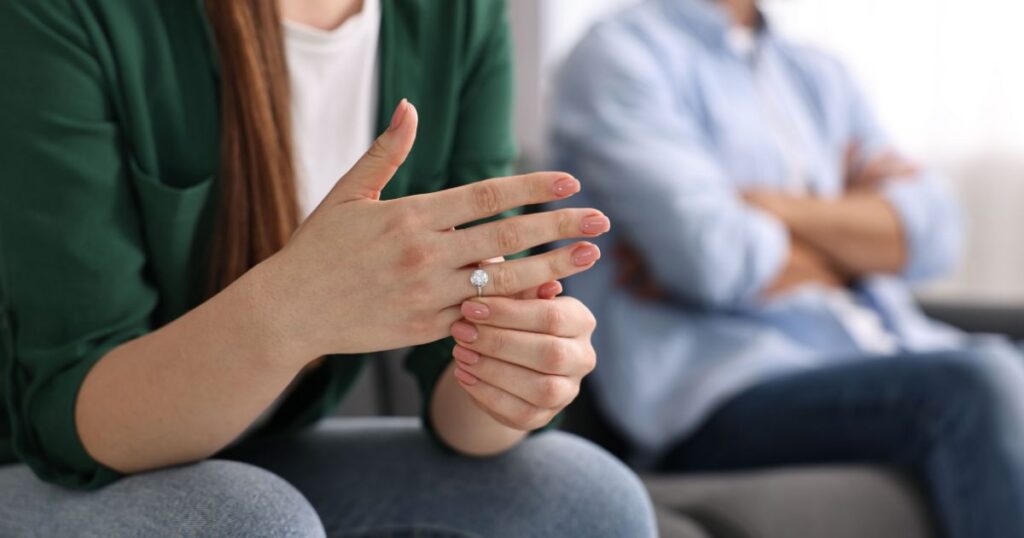


Infidelity can deeply shake both individuals in a relationship and put the future of their relationship in jeopardy. Whether the affair was emotional or physical, brief or ongoing, discovering this kind of betrayal often feels overwhelming. Many who have lived through an affair say that learning about it was a traumatic and life-changing moment. The partnership that felt safe and familiar suddenly seemed unrecognizable. In the aftermath of infidelity, people experience a storm of emotions, including grief, anger, confusion, numbness, longing, and fear. One person will often seek reassurance and security, while the other may feel incapacitated by guilt, shame, or fear of losing the relationship. Both people almost always feel overwhelmed and unsure about what to do next.
Even though affairs can be devastating, it is possible to heal after infidelity. With the right couples counseling, many couples can rebuild trust and create a new relationship that is stronger than before (Smith & Doe, 2022). Couples therapy can help by teaching partners how to repair, become more honest and accountable, and connect emotionally (Beasley & Ager, 2019).
At Pacific Behavioral Healthcare, therapists help couples recover from infidelity with a trauma-informed approach that takes into account how betrayal affects the mind, body, and relationship.
Why Infidelity is So Painful
Affairs cause a deep pain that can feel impossible to ease. This pain is usually more than just anger about dishonesty or broken promises. For many, finding out about infidelity leads to betrayal trauma (Lonergan et al., 2021).
When someone experiences a serious breach of trust in a relationship, Betrayal trauma can occur. Romantic partners often rely on each other for emotional support. When that is the case, discovering deception can shake a person’s sense of safety, identity, and reality.
People going through betrayal trauma often have many upsetting symptoms. These can include intrusive thoughts about the affair, constant questioning, replaying events in their mind, being on high alert, panic, trouble sleeping, feeling overwhelmed, shame, numbness, and more. These symptoms can look a lot like post-traumatic stress. (Betrayal Trauma: Signs and How to Start Healing, 2023) The person may become very sensitive, always on the lookout for signs of danger or dishonesty. Everyday interactions can suddenly feel threatening. Even small things, like a change in tone, a slow text reply, or a missed call, can cause significant distress.
The partner who had the affair can also go through a lot of emotional pain. While their experiences are different, many feel deep shame, self-blame, fear of rejection, and confusion about their actions. Some become defensive or avoid talking about it because they feel so guilty. Others want to fix the relationship but feel helpless as they see the hurt they caused.
Couples can get stuck in painful patterns. One partner may seek reassurance, while the other pulls away or becomes defensive. These cycles can make emotional distance and betrayal trauma even worse (Balderrama-Durbin et al., 2012).
Why Betrayal Trauma Makes Healing So Difficult
Healing after infidelity can feel painfully slow and difficult. This is because betrayal trauma affects both the mind and the body. When trust is so painfully broken, the mind can stay on high alert for a very long time. This means the betrayed partner may continue to have strong emotional reactions, even if both people truly want to fix the relationship.
Many people feel discouraged during healing because they expect things to get better quickly once the affair ends. But healing from betrayal trauma usually takes a lot of time, steady effort, and a sense of safety. Triggers from the traumatic breach of trust can last for months or even years after the affair is revealed. Anniversaries, certain locations, songs, phone alerts, or even small miscommunications can bring back feelings of fear and sadness. Betrayed partners may keep asking questions about the affair as their minds try to make sense of what happened and feel safe again.
In the absence of specialized guidance, couples often fall into unproductive patterns. It is common for them to go through seemingly endless cycles of interrogation, shame spirals, withdrawal, or emotional shutdown (Balderrama-Durbin et al., 2012). Good couples therapy helps people see that these patterns often come from automatic reactions to betrayal trauma, not just stubbornness or a lack of desire to heal.
The Difference Between an Explanation and an Excuse
A key step in healing after infidelity is figuring out what led to the affair. This can be hard, and it is important to do it without lessening responsibility.
Both partners may find it hard to separate understanding from excusing the affair. The betrayed partner might worry that looking at the reasons behind the affair will excuse it. But good couples therapy makes it clear that the person who had the affair is still responsible for their actions. At the same time, understanding the bigger picture can help with real healing and lasting change.
Affairs almost never happen randomly. Instead, they almost always result from longstanding personal struggles or problems in a person’s relationship. This does not excuse or justify the person engaging in an affair. Nonetheless, understanding these issues can help couples better see what made them vulnerable to such a breach.
There are countless possible contributing factors to an affair. Oftentimes, the individual who finds themselves in an affair has struggles with depression or anxiety, or may have unresolved trauma. Others may suffer from loneliness, resentments, or emotional disconnection. Behavioral patterns such as poor boundaries, escapism, and poor communication patterns are also likely contributors. Some people have affairs to escape emotional pain, boost their self-esteem, handle stress, or get validation they cannot find within themselves. Most often, it is unhealthy patterns that lead to infidelity, not a lack of love.
Couples therapy helps partners look at these deeper patterns honestly and with compassion, while still holding the person who had the affair accountable.
Time is Necessary but Insufficient for Repairing Infidelity
One of the most difficult tasks in healing after infidelity is realizing that healing and trust are usually achieved slowly. It is very common for betrayed partners to worry they will never feel safe again. Those who had the affair may feel discouraged when their efforts do not quickly take away pain or suspicion. Both feelings are normal. Trust in a relationship rarely comes back all at once. More often, healing happens slowly through many small moments that help rebuild emotional safety.
Trying to just move on and forget the affair or acting like it never happened will not help either person to heal. Though time is a necessary component of healing, many couples hope that the pain from infidelity will go away if they just avoid talking about it and try to move on. Unfortunately, when a betrayal of such significance is not addressed, it usually comes back in quiet but painful ways. Instead, healing comes from learning from what happened to set the stage for an affair and incorporating it into the relationship’s story, so both partners can move forward in a way that is healthier and more connected than before.
If one or both partners avoid talking about the affair, the betrayed partner may continue feeling grief, anger, fear, and confusion. For them, a sense of safety is hard to find because the betrayal is never fully addressed. On the other hand, the person who had the affair may feel very ashamed or afraid of causing more pain. This can make them avoid open conversations. Sadly, this often leads to more emotional distance and less trust in the relationship.
Healing from betrayal trauma takes more than just waiting for time to pass. To repair the relationship, both people must work to resolve struggles within themselves and their relationship. To do this, they must commit to honest communication, transparency, empathy, emotional availability, and long-term growth. This process can be especially emotionally draining without help, which is why couples therapy is often so helpful after infidelity. (Fife et al., 2023)
Couples Therapy After an Affair
Couples therapy in the aftermath of an affair should provide structure, emotional support, and guidance during one of the hardest times a relationship can face. Instead of pushing couples to forgive or to reconcile, good couples therapy creates a safe space where both partners can talk about the affair honestly and at a pace that feels right for them.
At Pacific Behavioral Healthcare, therapists use trauma-informed approaches that recognize how betrayal trauma impacts attachment, emotional self-regulation, communication, and intimacy.
In couples therapy, partners often work toward several important goals.
Processing the Emotional Impact of Infidelity
One of the first priorities in couples therapy should be to help couples safely process the emotional fallout from infidelity. The betrayed partner often needs room to share their grief, confusion, anger, fear, and sadness without being dismissed or told to forgive too soon. Therapy also helps keep these talks from becoming too painful or causing more harm.
The partner who had the affair is provided with tools to help them learn to respond with empathy, take responsibility, and be emotionally present, instead of being defensive or avoiding the issue.
Understanding the Affair More Fully
Healing requires understanding not only what happened, but why it happened. More often than not, this requires a significant level of honesty that has not been present in the relationship before. This does not mean blaming the betrayed partner for what happened. Instead, couples therapy looks at relationship patterns, personal struggles, attachment styles, and coping habits that may have led to distance or secrecy.
Understanding these patterns can not only help heal. It can also prevent future betrayals. It can also give couples a chance to build deeper emotional closeness.
Rebuilding Emotional Safety
After betrayal trauma, emotional safety often feels broken. Couples therapy helps couples slowly rebuild trust by encouraging honest, open, and emotionally connected interactions. This often requires agreement to new boundaries, increased transparency, honesty, and consistent follow-through. Trust does not come back just because of promises. It is rebuilt over time through many experiences that feel safe.
Addressing Hyperarousal and Stress Response Reactivity
Many people do not realize how much betrayal trauma can affect the body and mind. Trauma-informed couples therapy can include ways to help reduce being on high alert, feeling overwhelmed, panic, and shutting down. When people feel calmer, couples can usually talk more easily about difficult topics, which creates an opportunity to reconnect emotionally.
Rebuilding Physical and Emotional Intimacy
Intimacy often becomes complicated after infidelity. Some partners want to be close again, while others do not feel safe enough to be emotionally or physically vulnerable. Good couples therapy helps couples slowly and genuinely rebuild intimacy, instead of rushing them to reconnect. Usually, emotional safety is the key to bringing back physical closeness.
Some Relationships Become Stronger After Infidelity
Even though infidelity can be very damaging, some couples end up building deeper emotional closeness than ever before as they work through the healing process (Atkins et al., 2005).
This does not mean the affair was a good thing or was justified. Nonetheless, confronting difficult deep truths, improving communication, being more open, and working through old patterns can sometimes lead to a more genuine and connected relationship. Couples who manage to heal after betrayal trauma often develop better communication, empathy, boundaries, honesty, openness, and intimacy.
Often, the relationship that comes after healing looks very different from the one before the affair.
Not Every Relationship Continues, and That Is Okay
It is also important to know that not every relationship makes it through infidelity. For some couples, separating may be the healthiest choice. In these cases, therapy can still help by supporting partners as they process grief, lower conflict, improve co-parenting, and make thoughtful decisions instead of reacting out of pain.
Couples therapy should never push anyone to move on or reconcile in the relationship. Instead, it should be focused on helping each person understand themselves and their partner, work through betrayal trauma, and find the path that best supports healing and long-term health and connection.
True Healing Is Possible
After discovering a partner has been unfaithful, it is common for couples to feel hopeless about their future. The pain can be overwhelming, trust may seem permanently broken, and the emotional wounds can feel too deep to heal.
Despite these challenges, healing for the individual and the relationship is possible after an affair. Healing from betrayal trauma takes time and effort, but many couples can rebuild connection, trust, and emotional safety with the right support. Good couples therapy helps partners move past their unhelpful patterns and toward better understanding, accountability, and reconnection.
At Pacific Behavioral Healthcare, our therapists provide compassionate, trauma-informed care for couples coping with the aftermath of infidelity throughout Washington through both in-office and online therapy services.
If you or your relationship has been hurt by an affair, you do not have to face healing alone. With the right care, patience, and effort, couples can find that healing and reconnection are possible.
References
Atkins, D. C., Eldridge, K. A., Baucom, D. H. & Christensen, A. (2005). Infidelity and behavioral couple therapy: optimism in the face of betrayal. Journal of Consulting and Clinical Psychology 73(1), pp. 144-150. https://doi.org/10.1037/0022-006X.73.1.144
Balderrama-Durbin, C. M., Allen, E. S. & Rhoades, G. K. (2012). Demand and withdraw behaviors in couples with a history of infidelity. Journal of Family Psychology 26(1), pp. 11-17. https://doi.org/10.1037/a0026756
Beasley, C. C. & Ager, R. (2019). Emotionally Focused Couples Therapy: A Systematic Review of Its Effectiveness over the past 19 Years. Journal of Evidence-Based Social Work 16(2), pp. 144-159. https://doi.org/10.1080/23761407.2018.1563013
Betrayal Trauma: Signs and How to Start Healing. (2023). Healthline. https://www.healthline.com/health/mental-health/betrayal-trauma
Fife, S. T., Gossner, J. D., Theobald, A., Allen, E., Rivero, A. & Koehl, H. (2023). Couple healing from infidelity: A grounded theory study. Journal of Social and Personal Relationships. https://doi.org/10.1177/02654075231177874
Lonergan, M., Brun, A., Rivest-Beauregard, M. & Groleau, D. (2021). Is romantic partner betrayal a form of traumatic experience? A qualitative study. Social and Personality Psychology Compass 37(1), pp. 19-31. https://doi.org/10.1002/smi.2968
Smith, J. & Doe, J. (2022). The Impact of Couples Therapy on Rebuilding Trust After Infidelity. Journal of Marriage and Family Therapy 48(2), pp. 123-135. https://doi.org/10.1080/12345678.2022.1234567