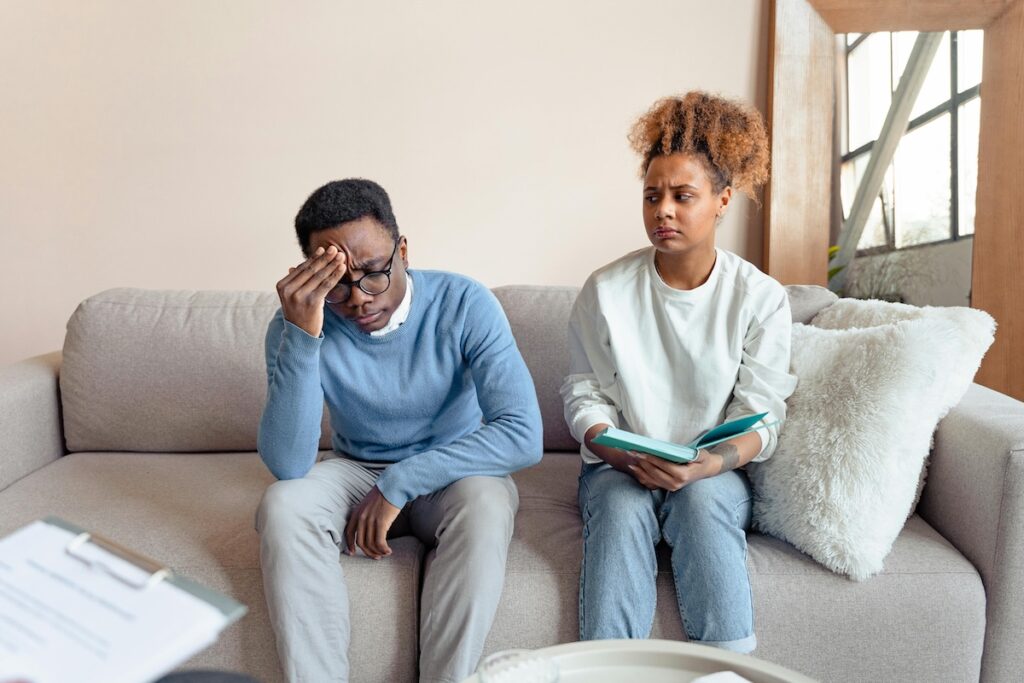


Discovering that a partner has cheated can feel like the ground has suddenly shifted beneath you. Many people describe the experience as deeply destabilizing. Emotions like anger, grief, confusion, and disbelief can all surface at once.
Some people wonder how they can forgive my partner for cheating if the pain still feels so raw. Others ask whether forgiveness is even possible after an affair. These questions are incredibly common after infidelity. Forgiveness after betrayal is rarely simple or immediate. Instead, it is often a gradual process that unfolds alongside healing, understanding, and rebuilding emotional safety.
What Forgiveness After an Affair Really Means
One of the biggest misconceptions about forgiveness after cheating is that it means forgetting what happened or pretending the betrayal was not serious.
In reality, forgiveness is not about minimizing the harm that occurred. Betrayal can be deeply painful because it disrupts trust, emotional safety, and the sense of security people rely on in their closest relationships.
Forgiveness after an affair does not erase the past. Instead, it often means gradually releasing the emotional hold that the betrayal has on you.
For many people, forgiveness eventually involves:
- Letting go of constant anger or resentment
- Accepting that the past cannot be changed
- Finding a way to move forward without the betrayal defining your life
- Forgiveness can happen within a relationship that continues, but it can also happen after a relationship ends.
Why Forgiving a Cheating Partner Is So Difficult
When someone you trust deeply violates that trust, it can affect much more than the relationship itself. Many people experience a sense of shock or emotional disorientation after discovering infidelity.
You may find yourself questioning your judgment, wondering how you missed warning signs, or replaying past memories in search of answers. It is also common to experience intense waves of anger, sadness, or confusion.
These reactions are often a normal part of the emotional impact of betrayal. Some people even experience symptoms similar to trauma responses after discovering infidelity. If you want to explore this further, you can read more about healing from betrayal trauma after infidelity.
Understanding the depth of this emotional impact can help explain why forgiveness is rarely something that can be rushed.
Can a Relationship Go Back to Normal After Cheating?
Many people wonder whether a relationship can ever return to the way it was before the affair.
The honest answer is that relationships rarely go back to exactly what they were before infidelity. However, that does not necessarily mean the relationship cannot recover.
Some couples are able to rebuild their relationship and eventually create something that feels more honest, intentional, and emotionally connected than before. This process usually involves rebuilding trust slowly and addressing the underlying dynamics that contributed to the betrayal.
Not every relationship survives infidelity, but some do. And in many cases, the outcome depends on the willingness of both partners to engage in honest reflection, accountability, and change.
Can You Truly Forgive Your Partner for Cheating?
Yes, many people do eventually reach a place where they feel they have forgiven a cheating partner. However, forgiveness rarely happens quickly. It usually emerges gradually as healing takes place and emotional safety begins to return.
For some people, forgiveness means no longer feeling consumed by anger when they think about the affair. For others, it means accepting what happened without allowing the betrayal to control their sense of identity or future.
Forgiveness does not mean that trust instantly returns. Trust is rebuilt slowly through consistent behavior over time.
It is also important to remember that forgiveness does not require you to stay in the relationship. Some people forgive a cheating spouse or partner while ultimately deciding that the relationship is no longer healthy for them.
How to Forgive a Cheating Spouse or Partner
If you are asking yourself how to forgive a cheating spouse, boyfriend, or partner, it may help to think about forgiveness as a process rather than a decision.
Below are a few steps that can support the journey toward forgiveness.
Allow yourself to feel your emotions
Anger, grief, confusion, and even numbness are common responses after infidelity. Trying to suppress these feelings can sometimes prolong the healing process. Giving yourself permission to experience these emotions can be an important step toward eventual forgiveness.
Seek understanding before forgiveness
Forgiveness usually becomes possible only after the betrayal begins to make sense within a broader context. This does not mean excusing the behavior. Instead, it means exploring the relationship dynamics, emotional struggles, or personal challenges that may have contributed to the affair. Understanding the full picture can sometimes reduce confusion and help restore a sense of clarity.
Rebuild trust gradually
Trust cannot be repaired through promises alone. It usually requires consistent actions over time.Rebuilding trust often involves:
- transparency
- accountability
- open communication
- clear boundaries
Without these elements, forgiveness can feel forced rather than genuine.
Reconnect with your own needs
After betrayal, it is easy to focus entirely on the partner who cheated and the future of the relationship. However, healing also involves reconnecting with yourself.
You may need to ask yourself questions such as:
- What do I need in order to feel safe again?
- What boundaries are important for me now?
- What would rebuilding this relationship realistically require?
These reflections can help clarify whether forgiveness and reconciliation feel possible.
Consider professional support
Forgiveness after an affair can be one of the most emotionally complex experiences people face in relationships. Betrayal trauma therapy can provide a safe and structured space to process the pain of betrayal.
A therapist can help individuals and couples:
- make sense of the emotional impact of infidelity
- rebuild trust and communication
- process anger and grief
- explore whether reconciliation is possible
For many people, therapy becomes an important part of moving toward forgiveness and healing.
Forgiveness Does Not Mean Forgetting
It is important to recognize that forgiveness does not mean forgetting the betrayal or pretending it did not happen. Instead, forgiveness often means that the event no longer holds the same emotional power over your life.
Some people describe forgiveness as releasing the weight of resentment so that they can move forward with greater clarity and peace. Whether that path leads to rebuilding the relationship or moving on separately, forgiveness can become an important part of healing after infidelity.
You Do Not Have to Navigate This Alone
Trying to figure out how to forgive a cheating partner can feel incredibly isolating. Many people struggle silently with their emotions, unsure of how to move forward.
At Pacific Behavioral Healthcare, our therapists work with individuals and couples navigating the complex emotional aftermath of infidelity. Through trauma-informed therapy, we help clients process betrayal, rebuild trust when possible, and move toward healing in a way that respects each person’s emotional needs and boundaries.
If you are struggling with forgiveness after an affair, professional support can help you make sense of what you are experiencing and explore a path forward that feels right for you. Contact us today to get started.